
As global temperatures continue to shatter records year after year, the urgency for decisive climate action has never been more apparent. The Global Climate Summit of 2025, held in Berlin, Germany, brought together leaders from over 190 nations to address the escalating climate crisis that threatens ecosystems, economies, and human civilizations across every continent. The summit, which spanned two weeks of intense negotiations, resulted in several landmark agreements aimed at reducing greenhouse gas emissions, accelerating the transition to renewable energy, protecting vulnerable communities from climate impacts, and establishing new financial mechanisms to support developing nations in their fight against climate change. This comprehensive article examines the key outcomes of the summit, the scientific evidence driving urgency, the commitments made by major polluting nations, and the challenges that remain in the global fight against climate change.
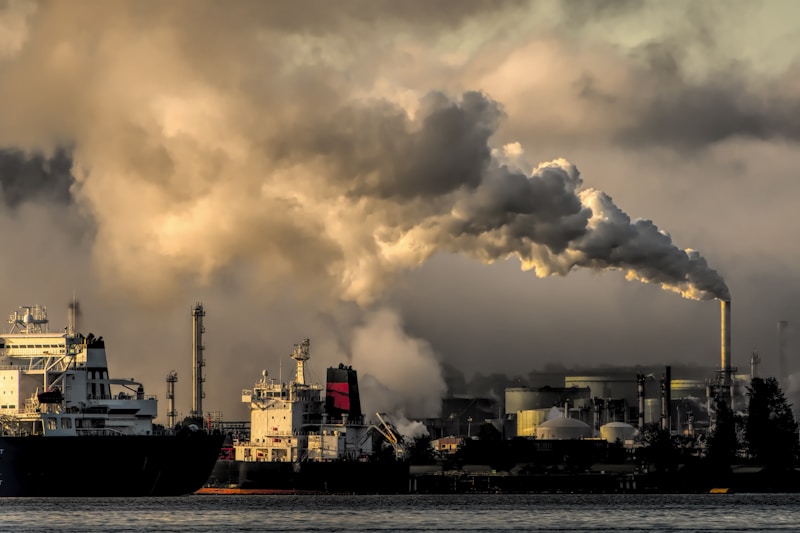 |
| World leaders gather at the Global Climate Summit 2025 to forge new agreements on emissions reduction and climate adaptation. (Image: Unsplash - Free to Use) |
The State of the Climate: Alarming Scientific Evidence
The scientific data presented at the summit painted a deeply concerning picture of the state of Earth's climate. According to the latest reports from the Intergovernmental Panel on Climate Change (IPCC), global average temperatures have risen by approximately 1.3 degrees Celsius above pre-industrial levels, and the world is on track to exceed the critical 1.5-degree threshold within the next decade unless drastic measures are taken immediately. The year 2024 was confirmed as the hottest year in recorded human history, with devastating heat waves affecting regions across South Asia, Southern Europe, the Middle East, and North Africa. Arctic ice is melting at a rate that scientists describe as alarming and potentially irreversible, contributing to rising sea levels that threaten low-lying island nations and coastal cities around the globe. Ocean temperatures have reached unprecedented levels, leading to widespread coral bleaching events that are destroying marine ecosystems and the communities that depend on them. Extreme weather events, including more powerful hurricanes, prolonged droughts, catastrophic wildfires, and unprecedented flooding, are becoming more frequent and more severe, causing billions of dollars in damage and displacing millions of people from their homes every year.
Key Agreements and Commitments from the Summit
The Berlin Climate Summit produced several significant agreements that represent meaningful progress in the global fight against climate change. The most notable outcome was the Berlin Climate Accord, which commits signatory nations to reducing carbon dioxide emissions by at least 50 percent below 2020 levels by the year 2035 and achieving net-zero emissions by 2050. Major polluting nations, including the United States, China, the European Union, India, and Russia, all signed the accord, though with varying timelines and implementation mechanisms. China pledged to peak its carbon emissions before 2028, two years earlier than its previous commitment, and to dramatically increase its investment in renewable energy infrastructure. The United States announced plans to invest an additional 500 billion dollars in clean energy technologies over the next decade, including solar power, wind energy, advanced nuclear reactors, and green hydrogen production. The European Union committed to becoming the first carbon-neutral continent by 2045, five years ahead of the global target. India, the world's most populous nation, pledged to generate 60 percent of its electricity from renewable sources by 2030 and to phase out coal-fired power plants by 2040.
Climate Finance and Support for Developing Nations
One of the most contentious issues at the summit was climate finance, specifically how much wealthy industrialized nations should pay to help developing countries adapt to climate change and transition to clean energy economies. Developing nations have long argued that wealthy countries, which are historically responsible for the vast majority of greenhouse gas emissions, have a moral and financial obligation to help poorer nations deal with the consequences. After intense negotiations that nearly derailed the summit, wealthy nations agreed to establish a new Global Climate Finance Fund with an initial capitalization of 200 billion dollars per year, significantly exceeding the previous commitment of 100 billion dollars annually that was never fully met. This fund will support developing countries in building resilient infrastructure, deploying renewable energy technologies, protecting vulnerable communities from extreme weather events, and transitioning their economies away from fossil fuel dependence. Small island developing states, which face existential threats from rising sea levels, welcomed the agreement but emphasized that financial commitments must be followed by actual disbursements and meaningful action on the ground. African nations also pushed for greater representation in climate decision-making bodies and for more investment in climate adaptation rather than just mitigation measures.
The Role of Technology and Innovation in Climate Solutions
Technology and innovation were central themes at the summit, with numerous breakthroughs in clean energy, carbon capture, and sustainable agriculture showcased by governments and private sector companies from around the world. Solar panel efficiency has reached new heights, with next-generation perovskite solar cells achieving efficiency rates above 30 percent, making solar energy more cost-effective than ever before. Wind energy technology has also advanced significantly, with offshore wind turbines now capable of generating more than 15 megawatts of power each, enough to power thousands of homes. Carbon capture and storage technologies, which remove carbon dioxide directly from the atmosphere or capture it at the point of emission, were highlighted as essential tools for achieving net-zero targets. Several countries announced plans to build large-scale carbon capture facilities, including the United States, Norway, and the United Kingdom. Green hydrogen, produced using renewable electricity to split water molecules, was identified as a promising clean fuel for heavy industry, shipping, and aviation sectors that are difficult to electrify directly.
Challenges Ahead and the Path Forward
Despite the progress made at the Berlin Climate Summit, enormous challenges remain in the global fight against climate change. The gap between pledges and actual implementation continues to be a major concern, as many countries have failed to meet their previous climate commitments. The fossil fuel industry, which employs millions of people worldwide, continues to resist rapid transition, and geopolitical tensions between major powers can complicate cooperative climate action. Public support for climate measures varies significantly across countries and is influenced by economic conditions, political leadership, and cultural attitudes. Climate change disproportionately affects the world's poorest and most vulnerable populations, including indigenous communities, women, children, and the elderly, raising fundamental questions of justice and equity. Moving forward, it will be essential for governments to translate their summit commitments into concrete policies, regulations, and investments. Civil society organizations, businesses, and individual citizens all have crucial roles to play in driving the transformation needed to prevent the worst impacts of climate change and build a sustainable future for generations to come.